
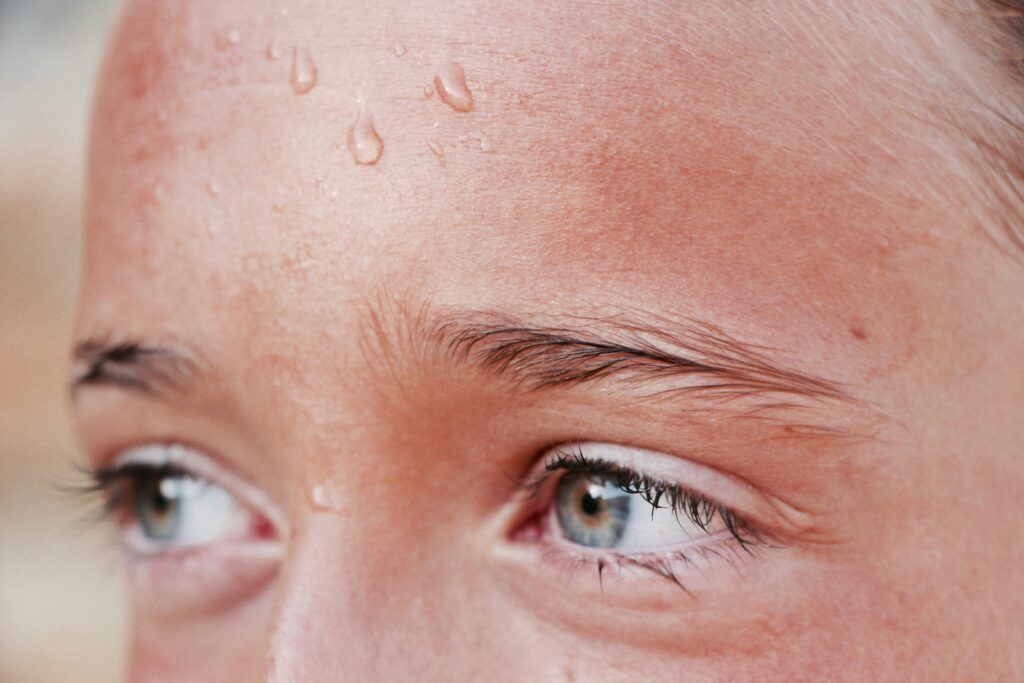
Waking up in the middle of the night drenched in sweat can feel alarming, especially if you’re not in menopause. Random night sweating can happen for many reasons, ranging from simple lifestyle factors to underlying health issues. Understanding what’s behind those midnight sweat sessions can help you decide whether a few small changes will do the trick or if it’s time to talk to a doctor.
While menopause is the most famous cause of night sweats, it’s far from the only one. Some people even try supplements like MENO when they assume hormones are to blame. If menopause isn’t the issue, the real cause may be hiding somewhere else. Let’s break down the most common reasons night sweats happen when menopause isn’t to blame.
Bedroom Environment and Bedding
Sometimes, the explanation is refreshingly simple. Heavy comforters, flannel pajamas, or a thermostat set too high can trap heat, pushing your body into sweat mode. Memory foam mattresses and synthetic sheets also retain warmth, making it harder for your body to cool down naturally during sleep.
If your night sweats are occasional and improve when you lower the room temperature or switch to breathable fabrics like cotton or bamboo, your environment may be the main trigger.
Stress, Anxiety, and an Overactive Nervous System
Your nervous system controls both stress responses and sweating. When you’re anxious or under emotional strain, your body can release stress hormones that increase heart rate and body temperature, even while you’re asleep.
Night sweats linked to stress often come with vivid dreams, a racing heart, or waking up with tension. In these cases, relaxation routines before bed, deep breathing, and cutting back on stimulating activities late at night can make a noticeable difference.
Diet and Late-Night Eating
Spicy foods, caffeine, and alcohol are frequent culprits behind nighttime sweating. These substances raise your core body temperature and can stimulate sweat glands hours after you consume them.
Large meals before bedtime can also cause night sweats because digestion increases internal heat. If your sweating is worse after spicy dinners or late desserts, your diet may be playing a role.
Medications and Supplements
Certain medications list night sweats as a side effect. Antidepressants and some pain relievers can interfere with temperature regulation. Even herbal supplements that affect circulation or metabolism may contribute. If your sweating started after beginning a new medication or vitamin, it’s worth reviewing the timing with your healthcare provider.
Blood Sugar Changes
Drops in blood sugar during the night can trigger sweating, especially in people with diabetes or those who skip meals before bed. When glucose levels dip, the body releases adrenaline to compensate, which can cause sweating and restlessness.
This type of night sweat is often paired with hunger or headaches upon waking. A balanced evening snack with protein and complex carbohydrates, a couple of hours before bed, may help stabilize blood sugar overnight.
Infections and Immune Responses
Night sweats can sometimes be an early sign that your immune system is fighting off an infection. Minor infections, such as colds or urinary tract infections, can cause subtle fevers that peak at night. If sweating is accompanied by fatigue, chills, or unexplained aches, it may be worth checking in with a healthcare professional.
Hormonal Fluctuations That Aren’t Menopause
Even outside of menopause, hormones can fluctuate. Thyroid disorders, for example, can speed up metabolism and increase body heat, leading to excessive sweating at night.
This is one reason people sometimes reach for menopause supplements, even when menopause isn’t the cause. Hormone-related symptoms can feel similar across different life stages.
Sleep Disorders and Night Sweats
Conditions like sleep apnea are linked to nighttime sweating. When breathing is disrupted, the body becomes stressed and overheated, which can result in waking up soaked. If you snore loudly, wake up gasping, or feel unrefreshed after sleep, night sweats may be a secondary symptom of a sleep-related issue rather than a hormonal one.
When Night Sweats Become a Red Flag
Occasional sweating is normal. Persistent night sweats that happen without an obvious trigger, especially when paired with unexplained weight loss or ongoing fatigue, should be evaluated by a doctor.
How To Reduce Random Night Sweating
Start with practical steps: keep your bedroom cool, avoid heavy blankets, and limit spicy foods and alcohol before bed. Establishing a calming bedtime routine can help reduce stress-related sweating, while balanced evening meals may help prevent blood sugar dips.
Some people also turn to menopause supplements to support general hormone health. While these products aren’t a cure-all, they may be part of a broader wellness approach that includes sleep hygiene and stress management.
Cool Nights Start With Smart Clues
Random night sweating that isn’t menopause can stem from a wide range of causes, from warm bedding and spicy dinners to stress, medications, or underlying health conditions. The key is paying attention to patterns. With a few lifestyle tweaks and the right guidance, many people find that their nights get cooler and their sleep much more refreshing.