
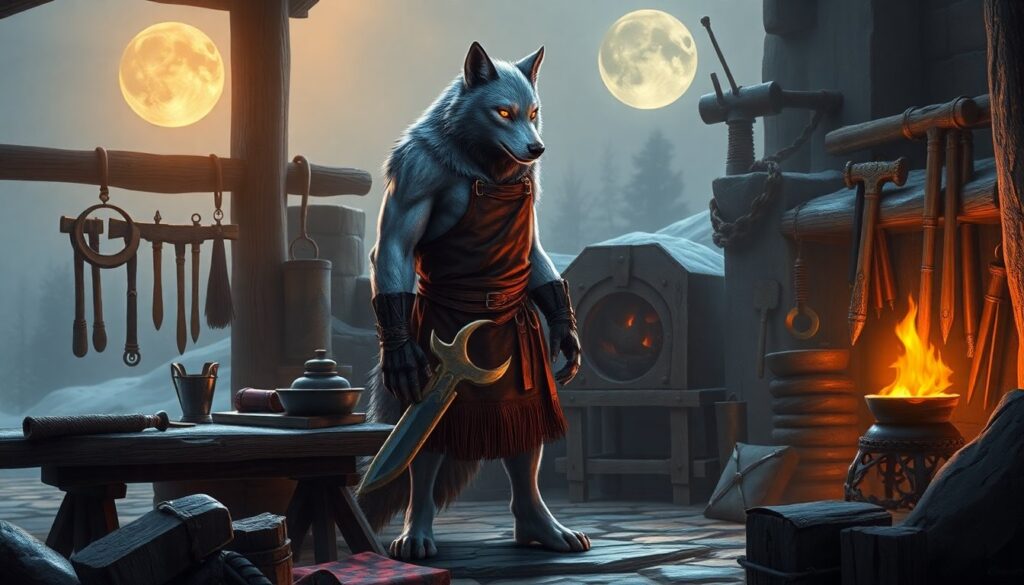
Krydalor Vorkyn are wolf-like beings tied to shadow and old forge-magic. The article lists their origin, traits, social rules, speech patterns, and ways to use the krydalor vorkyn in fiction. Readers will learn clear hooks and role ideas they can use in game or story.
Key Takeaways
- Krydalor Vorkyn are wolf-like beings forged from iron and wolf-blood, embodying a deep connection between craft and instinct through ancient myths.
- They possess unique abilities like ember-red glowing eyes, metal-shaping touch, shadow-step teleportation, and hardened steel-like fur for defense.
- Their social structure revolves around packs called forgebands, led by a smith-alpha who enforces work rotation, oaths, and communal resource care.
- Krydalor Vorkyn communicate with clipped words, forge-names, scent-marks, and runes, valuing clear, direct phrasing and strong social codes.
- In games and fiction, they function well as smith-guards, oath-walkers, or exile-seekers, with mechanics emphasizing metalwork, tracking, and oath consequences.
- Common story hooks include guarding lost forges, seeking stolen heirlooms, and navigating rival pack conflicts or broken oaths, providing rich narrative roles.
Who the Krydalor Vorkyn Are: Origins and Mythology
Authors place krydalor vorkyn in borderlands where smithfires meet long nights. Legends say a smith struck a moon-forge and birthed the first krydalor vorkyn from cooled iron and wolf-blood. Villagers told plain stories of protectors and wrongdoers. Scholars note two clear versions. One version shows krydalor vorkyn as guardian kin who keep lost tools and broken oaths. The other version shows them as cursed kin who repay betrayal with cold craft. Creators use both myths to set tone. The krydalor vorkyn myth ties craft to instinct and binds metal to memory.
Physical Traits, Senses, and Unique Abilities
Krydalor vorkyn show wolf frames with iron-gray fur and faint seam-lines like forged plates. Their eyes glow ember-red when they use sense-magic. They smell temper and salt and read metalheat with their noses. They hear via bone conduction and can track echoes inside caves. A krydalor vorkyn can harden its fur like cooled steel for short defense. It can shape small iron with touch after a long work-session or a vow. They heal faster than common wolves but slower than humans. Stories often give them a shadow-step, a short teleport into dark places, to match their name.
Social Structure, Clans, And Cultural Norms
Krydalor vorkyn live in packs called forgebands. A forgeband elects a smith-alpha by skill and oath-keeping. The smith-alpha rules work rotation and dispute rites. Packs divide labor: hunters, smiths, oath-keepers, and watchers. They value clear exchange: a task for protection, a song for a blade. They punish oath-breakers by exile or by trial at the anvil. Young krydalor vorkyn learn metalwork and tracking together every season. Packs keep common caches of tools and relics. They name items and treat them as living kin. This rule keeps resources steady and loyalties clear.
Religion, Rituals, And Symbols
Krydalor vorkyn worship a forged moon-sigil and a quiet flame-sprite. Priests keep small forges and chant while they re-hammer broken things. Rituals include the First-Hammer, where a pup strikes metal and vows a duty. They mark passage with crescent-bite scars on tools. Symbols include the crescent anvil and a single tooth tied to a chain. These symbols appear on doors and on ceremonial blades. The group treats ritual as law. They act with ceremony to show respect for craft and pack.
Language, Names, And Communication Style
Krydalor vorkyn speak in clipped words and short songs. Their language blends growls and consonant hammer-clicks. They name individuals with two parts: a given name and a forge-name. A forge-name reflects skill or a notable act. They use body-taps and ear-tucks to show consent or warning. A krydalor vorkyn uses scent-marks for long messages and writes brief runes on metal for lasting notes. In diplomacy, they prefer direct phrasing and clear terms. They use few metaphors and avoid vague promises.
Playing Krydalor Vorkyn In Games Or Fictional Worlds
GMs and writers assign krydalor vorkyn clear roles: smith-guard, oath-walker, or exile-seeker. Players set a pack bond score and a craft skill. Give a krydalor vorkyn a mechanical bonus for metalwork and tracking, and a shadow-step ability with limits. Keep their social code firm: breaking an oath costs reputation. Use sensory hooks: metal scent, ember-eyes, and tempered fur. Let krydalor vorkyn trade crafted tools for favors. In fiction, show daily tasks like sharpening and watch-rotations to ground the concept. These steps make krydalor vorkyn feel real and playable.
Common Conflicts, Plot Hooks, And Story Roles
Krydalor vorkyn fit many plot roles. A krydalor vorkyn can guard a lost forge, seek a stolen heirloom, or lead a revenge arc after a broken oath. Conflicts arise when outsiders mine sacred ore, when rival packs steal tools, or when a smith-alpha dies without an heir. Use a krydalor vorkyn as mentor for a human smith or as a reluctant antagonist who keeps a village safe at a price. Hooks include a failing forge, a metal curse, or a pact that asks for a life of service. These simple hooks drive action and moral choice.