
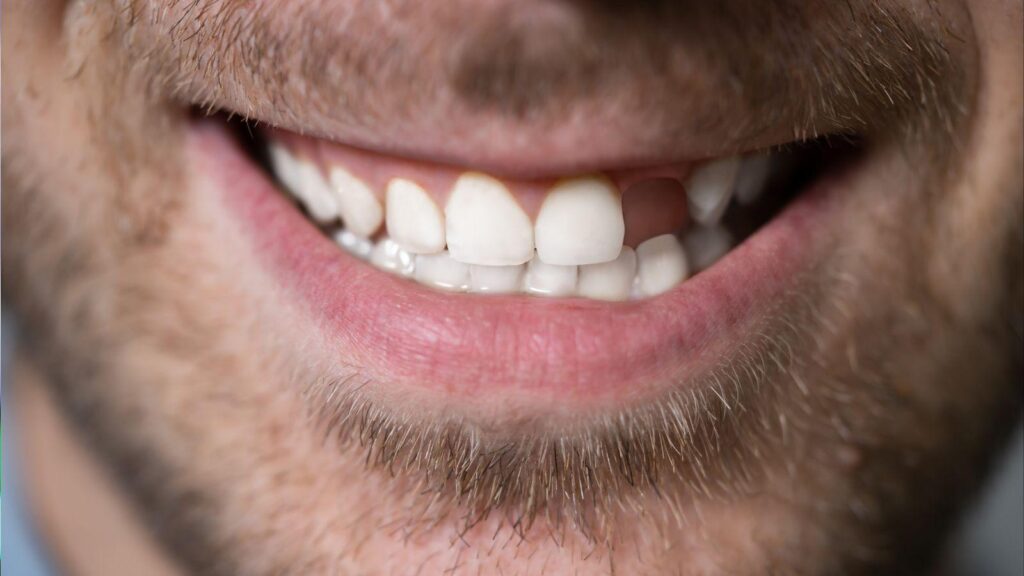
If you were born missing one or more teeth, dental implants can offer a stable, long-term way to restore function and appearance while preserving jawbone health — something a trusted family dentist in Champaign, IL can evaluate and plan with you. Implants often provide the most natural-feeling and durable replacement for congenitally missing teeth when you are a suitable candidate.
This article walks you through how clinicians assess your candidacy, the real benefits and limitations of implant solutions, and what ongoing care looks like so you can decide with confidence whether implants fit your needs.
Understanding Congenitally Missing Teeth
You may have one or several permanent teeth that never formed, which affects bite, speech, and long-term oral function. Causes, clinical effects, and how often this occurs at different ages will determine your treatment options.
Causes and Types of Hypodontia
Hypodontia describes the developmental absence of one to six permanent teeth. It commonly affects third molars, second premolars, and upper lateral incisors; when more than six teeth are missing, clinicians call it oligodontia.
Genetic mutations (for example in MSX1, PAX9) often run in families and are the most frequent cause. Environmental factors such as maternal illness, low birth weight, or exposure to certain drugs during pregnancy can also interfere with tooth development.
You may present with a single missing tooth or multiple missing teeth, and deciduous (baby) teeth sometimes persist in the mouth if the corresponding permanent teeth are absent. That persistence influences both aesthetics and timing of definitive replacement.
Impact on Oral Health and Development
Missing permanent teeth change how forces distribute across your bite, which can cause neighboring teeth to drift or tilt into the space. That movement may create malocclusion, increase wear on remaining teeth, and complicate orthodontic planning.
You may experience speech changes—particularly with front-tooth absence—and altered chewing efficiency depending on which teeth are missing. Bone in the empty alveolar ridge tends to resorb over time, reducing width and height of the jawbone and affecting future implant placement.
Retained primary teeth can preserve bone and function short-term, but they often have smaller roots and limited longevity; planning must balance orthodontics, prosthetics, and possible implant timing.
Prevalence Among Different Age Groups
Hypodontia appears in childhood and becomes apparent during the mixed-to-permanent dentition transition. You will most commonly notice it between ages 6 and 12 when permanent incisors and premolars should erupt.
Prevalence varies by population but typically ranges from about 2% to 8% for non-wisdom-tooth hypodontia. Third-molar agenesis is more frequent and can exceed 20% in some groups.
Incidence is higher in females in many studies, and certain syndromes (e.g., ectodermal dysplasia) show much greater rates of missing teeth, affecting both children and adults who require multidisciplinary care.
Evaluating Candidacy for Restoration
You need a focused clinical exam, imaging, and a plan that accounts for bone volume, soft tissue health, and developmental timing. The next parts explain the specific tests, measurements, and age-based guidelines that determine whether implant restoration is appropriate for congenital missing teeth.
Clinical Assessment Process
Start with a detailed dental and medical history focused on congenital agenesis, previous orthodontic treatments, and systemic conditions like diabetes or bone disorders. Ask about smoking, medications (bisphosphonates, immunosuppressants), and prior jaw surgery because these affect healing and implant success.
Perform an intraoral exam that documents occlusion, spacing, soft-tissue biotype, and the condition of adjacent teeth. Record probing depths, mobility, and plaque indices to assess periodontal health.
Use diagnostic imaging: periapicals for local detail, panoramic for arch overview, and CBCT for three-dimensional bone quantity and proximity to nerves or sinuses. Combine models or digital scans to plan implant position relative to prosthetic goals.
Plan multidisciplinary input early — coordinate with orthodontists and prosthodontists. Create a timeline that sequences orthodontic space management, grafting if needed, and final implant placement. Obtain informed consent that explains risks, alternatives, and realistic outcomes.
Jawbone and Gum Considerations
Assess alveolar bone height, width, and density at the intended implant sites with CBCT measurements. Note vertical deficiencies, buccolingual width under 6 mm, or thin crestal bone that typically require augmentation before implant placement.
Evaluate soft tissue: a thick, keratinized gingival band around implants improves hygiene and long-term esthetics. Measure keratinized tissue width and mucosal thickness; consider connective tissue grafts when tissues are thin or scarred.
If bone grafting is indicated, choose autogenous, allograft, or xenograft based on defect size, patient preference, and morbidity. Plan timing: simultaneous implant placement with grafting for minor defects, staged grafting for larger deficiencies.
Watch anatomical limits — maxillary sinus, inferior alveolar nerve, and adjacent tooth roots. Document measurements and safety margins (typically 2 mm from vital structures) to minimize complications.
Age-Related Treatment Guidelines
Determine skeletal maturity using hand-wrist radiographs or cervical vertebral maturation when growth status is unclear. Avoid placing implants in jaws with ongoing vertical growth; implants behave like ankylosed teeth and can become infraoccluded as surrounding bone continues to develop.
For adolescents who have completed most facial growth but retain minor changes, delay implant placement until stable eruption and alveolar development—commonly late teens for females and early twenties for males. Use interim prostheses (removable or adhesive bridges) to maintain function and esthetics.
In younger children, prioritize orthodontic space management and soft-tissue preservation; consider mini-implants or temporary solutions only in select cases. For adults, standard implant protocols apply after ensuring medical fitness and adequate bone and soft tissue.
Benefits and Limitations of Implant Solutions
Dental implants can restore chewing, speech, and appearance while preserving jawbone volume; they also require surgical planning, possible bone grafting, and long-term maintenance.
Functional and Aesthetic Outcomes
You can regain near-normal chewing efficiency with implants because they anchor to bone rather than resting on gums. That stability lets you eat firmer foods and speak without the slipping common to removable dentures.
A well-planned implant crown or bridge can match adjacent tooth shape, color, and proportion. For congenitally missing teeth, this improves facial symmetry and soft-tissue support around the lips.
Expect individualized planning: implant size, position, and prosthetic design must account for tooth size differences, angled roots of neighboring teeth, and the width of the alveolar ridge. Digital scans and mock-ups often improve predictable aesthetic results.
Longevity and Durability Factors
Implants integrate with bone (osseointegration), which provides a durable foundation; many implants last decades with proper care. Your habits affect lifespan: smoking, poor oral hygiene, and uncontrolled diabetes raise failure risk.
Prosthetic components wear or fracture over time, so you may need crown or abutment replacement even if the implant itself remains stable. Regular dental visits for professional cleaning and occlusal checks extend functional life.
Bone quality and volume at the implant site strongly influence success. If you lack adequate bone, grafting or alternative designs (short implants, zygomatic implants in extreme cases) change prognosis and timeline.
Possible Risks and Complications
Surgical risks include infection, bleeding, nerve injury, and sinus perforation when placing implants in the upper jaw. Your surgeon minimizes these with imaging, sterile technique, and careful angulation but small risks remain.
Peri-implantitis (inflammation and bone loss around implants) can develop from plaque, poor oral hygiene, or history of periodontitis. If untreated, it can lead to implant loosening and loss.
Other complications include improper implant positioning that compromises aesthetics or function, prosthetic screw loosening, and implant fracture under excessive load. You should expect a treatment plan that outlines these risks, preventive steps, and contingency options such as grafting, staged loading, or removable restorations if an implant fails.
Long-Term Care and Support
You will need a consistent oral hygiene routine, professional follow-ups, and occasional technical adjustments. These actions protect implant health, preserve surrounding bone, and keep prosthetic teeth functioning and comfortable.
Maintenance and Hygiene Protocols
Brush twice daily using a soft-bristled brush and low-abrasive toothpaste to avoid scratching crowns or abutments. Use a single-tuft or interdental brush to clean around implant abutments and under bridges where plaque accumulates.
Floss daily with floss designed for implants or use a floss threader to reach under fixed prostheses. Consider a water flosser at a medium pressure setting to reduce biofilm in hard-to-reach areas.
Rinse with an antimicrobial mouthwash only if recommended by your clinician; some agents can be used short-term after surgery or during flare-ups. Maintain regular professional cleanings every 3–6 months depending on your risk factors (smoking, diabetes, history of peri-implantitis).
Keep a list of oral-care products that are implant-safe and bring them to appointments. Track any sensitivity, bleeding, or looseness and report these signs promptly.
Ongoing Monitoring and Adjustments
Schedule clinical exams with probing depths, peri-implant soft tissue checks, and mobility testing at least every 6 months. Your dentist will take periodic radiographs—typically annually or as indicated—to monitor bone levels around implants.
Expect occasional prosthetic adjustments: occlusal equilibration to prevent overload, screw retorques for screw-retained restorations, and replacement of worn composite or ceramic surfaces. If you wear a removable prosthesis, anticipate relines or remakes every few years as bone and soft tissue change.
If signs of peri-implant mucositis or peri-implantitis appear, your clinician will perform targeted cleaning, localized antiseptic therapy, and, if needed, surgical intervention. Keep medical conditions (e.g., diabetes), medications, and smoking status updated with your dental team because they affect monitoring frequency and treatment choices.