
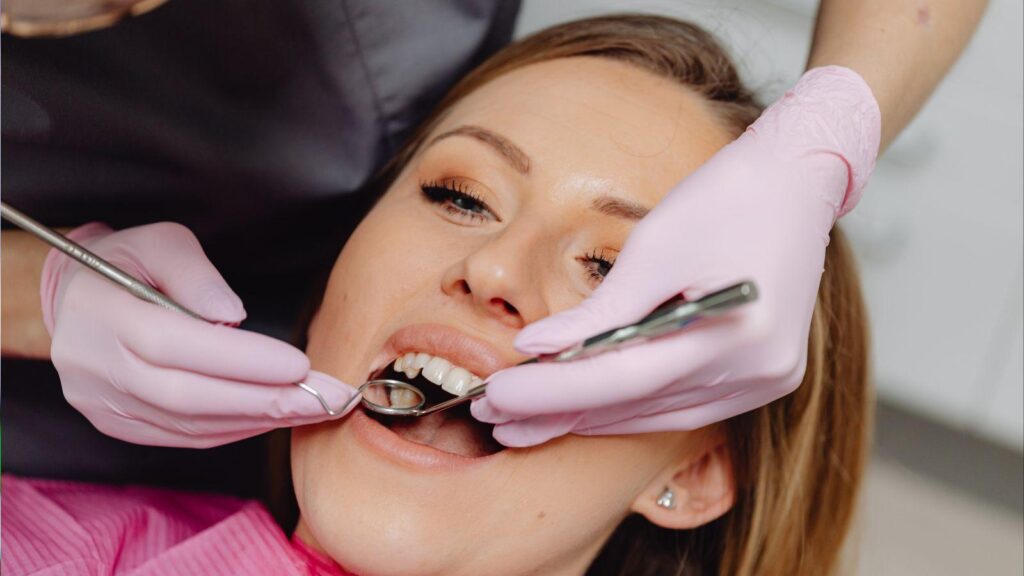
If you have an autoimmune condition and are considering dental implants, you can often proceed safely with careful planning and collaboration between your dentist and medical team. Many patients with autoimmune diseases achieve implant success rates similar to those without autoimmune conditions when medications, bone health, and infection risk are managed beforehand — all things the popular Chula Vista dentist for dental implants will assess thoroughly before treatment begins.
You’ll learn how specific conditions and treatments can affect healing, why a thorough pre-treatment evaluation matters, and which implant techniques or materials may reduce risk. Clear guidance on long-term care and monitoring will help you protect your investment and maintain oral health for years to come.
Autoimmune Disease Effects on Oral Health
Autoimmune conditions change saliva, mucosa, bone turnover, and immune response in specific ways that affect implant planning, surgery, and long-term maintenance. You need to monitor dry mouth, mucosal fragility, slower wound closure, and higher infection risk when considering implants.
Common Oral Complications
-
You may experience xerostomia (dry mouth) from Sjögren’s syndrome or as a side effect of medications. Reduced saliva increases plaque accumulation, caries risk, and denture irritation.
-
Mucosal conditions such as lichen planus or pemphigus vulgaris produce painful erosions and fragile tissue that complicate impressions, local anesthesia, and prosthetic fit. Manage active lesions before implant surgery to reduce mucosal breakdown.
-
Periodontal disease often coexists with rheumatoid arthritis and may accelerate bone loss around teeth. You should control periodontal inflammation with frequent cleanings and targeted therapy prior to implant placement.
Impact on Tissue Healing
-
Autoimmune diseases and many immunomodulatory drugs alter cellular repair mechanisms and bone remodeling. Corticosteroids, certain biologics, and disease-modifying antirheumatic drugs (DMARDs) can reduce inflammatory signaling needed for normal healing and may delay osseointegration.
-
Bone quality may be compromised in systemic lupus erythematosus or long-term steroid users, lowering primary implant stability. You should assess bone density and consider staged surgery, longer healing times, or adjunctive grafting.
-
Plan for extended follow-up and avoid aggressive surgical trauma. Tailor flap design and use minimally invasive techniques to preserve blood supply and reduce risk of wound dehiscence.
Risks of Infection
-
Impaired immune regulation raises the chance that a local contamination becomes a clinically significant infection. Immunosuppressive therapy can blunt typical signs of infection, so you must watch for subtle changes like increased drainage or unexplained discomfort.
-
Peri-implant mucositis can progress faster to peri-implantitis in patients with poor plaque control and systemic immune dysfunction. Implement strict pre- and postoperative antisepsis, consider targeted antibiotic protocols when indicated, and maintain closer recall intervals.
-
Coordinate with the patient’s physician about perioperative management of immunosuppressants. Adjustments may reduce infection risk but require individualized risk–benefit assessment to avoid disease flare.
Pre-Treatment Evaluation and Planning
You must identify immune-related risks, review current medications that alter healing or infection risk, and set up coordinated care with the patient’s medical team. Focus on measurable parameters and concrete steps that will affect implant timing, surgical technique, and follow-up.
Assessing Immune Status
-
Obtain a targeted medical history emphasizing diagnosis, disease activity, and recent flares. Ask about symptom onset, frequency of exacerbations, and any hospitalizations or infections in the past year.
-
Request specific laboratory data when relevant: complete blood count with differential, C‑reactive protein or ESR for inflammation, and lymphocyte subsets if the patient is on immunomodulatory therapy. Document vaccination status and recent opportunistic infections.
-
Evaluate functional immune suppression rather than diagnosis alone. Note steroid dose (prednisone equivalent), biologic agents, cytotoxic drugs, and time since last immunosuppressive infusion. Consider delaying elective implant surgery until disease is quiescent for a defined interval agreed with the treating physician.
Medication Considerations
-
List all current medications with doses, routes, and last administration dates. Highlight drugs that impair wound healing or increase infection risk: systemic corticosteroids, methotrexate, anti-TNF agents, rituximab, and other biologics.
-
Follow specific perioperative guidance: short-term corticosteroid stress coverage if long‑term steroids are used, and individualized holds for certain biologics (e.g., 1–3 dosing cycles withheld based on drug half‑life and rheumatologist input). Avoid automatic cessation of disease‑modifying therapy without medical clearance.
-
Plan antibiotic prophylaxis when indicated by the patient’s immune status or prosthetic risk; document the rationale and regimen. Adjust implant timing around immunosuppressive dosing to maximize osseointegration potential while minimizing flare risk.
Multidisciplinary Collaboration
-
Establish direct communication with the patient’s rheumatologist, immunologist, or primary care physician early. Use a concise written plan that states proposed surgery dates, medication adjustments, infection prophylaxis, and monitoring intervals.
-
Coordinate preoperative optimization: confirm disease stability, adjust medications per specialist recommendations, and arrange lab monitoring post‑op. Schedule follow‑up appointments with both dental and medical teams for early detection of complications.
-
Use shared electronic records or a brief interprofessional letter to ensure clarity. Obtain documented medical clearance that specifies any conditions or thresholds (e.g., absolute neutrophil count limits) that would contraindicate proceeding.
Specialized Implant Techniques and Materials
You will need choices that reduce immune activation, promote predictable bone healing, and enable gentler surgical approaches. Focus on materials with proven biocompatibility and techniques that limit tissue trauma and infection risk.
Biocompatible Materials
-
Select titanium alloys (Ti-6Al-4V) or commercially pure titanium for implant fixtures because they show the best long-term osseointegration and low immunogenicity in clinical studies. If you have metal sensitivities or a documented allergy, consider zirconia implants; they are ceramic, present lower ion release, and tend to provoke fewer soft-tissue reactions.
-
Use surface treatments that improve bone contact: moderately roughened surfaces created by sandblasting + acid etch or anodization increase early stability. Ask your clinician about implant coatings—bioactive calcium phosphate or hydroxyapatite can accelerate bone formation but evaluate case-by-case if you take immunomodulatory drugs.
-
Pay attention to abutment materials and prosthetic components. Choose polished transmucosal surfaces to limit plaque accumulation and soft-tissue inflammation. Discuss restorative materials (e.g., zirconia crowns on titanium bases) to balance esthetics, strength, and peri-implant tissue health.
Minimally Invasive Procedures
-
Minimize surgical trauma with flapless implant placement when bone volume and anatomy permit. Flapless techniques reduce soft-tissue disruption and postoperative inflammation, which matters if you take systemic immunosuppressants. Ensure precise preoperative CBCT planning and surgical guides to avoid errors.
-
Use short, staged protocols for grafting when needed: small-volume particulate grafts with collagen membranes heal faster and lower infection risk compared with large block grafts. Consider immediate loading only if you have excellent primary stability (insertion torque ≥35 Ncm) and controlled systemic disease; otherwise stage healing to reduce failure risk.
-
Adopt atraumatic handling, antibiotics per local protocol, and strict antiseptic control. Schedule shorter, more frequent follow-ups for maintenance and early detection of peri-implant inflammation so adjustments to care can be made quickly.
Long-Term Care and Monitoring
You need regular professional checks and a daily home routine tailored to your health status. Coordinate care with your physician and dentist to protect bone health, medication effects, and immune stability.
Maintenance Protocols
Attend dental check-ups every 3–6 months the first year, then at least twice a year if healing is stable. Your dentist will evaluate implant mobility, peri-implant tissue health, and radiographs to detect early bone loss.
Follow a daily oral hygiene routine: soft-bristled brush twice daily, interdental brushes or floss around implants once daily, and an antimicrobial rinse if recommended. Use non-abrasive toothpaste and avoid water-pik tips at high pressure directly on newly placed implants until cleared by your clinician.
Share medication changes and autoimmune flares with your dental team immediately. If you take immunosuppressants, your provider may recommend more frequent cleanings, topical antiseptics, or temporary antibiotic prophylaxis for invasive procedures. Keep nutrition and smoking status stable; poor circulation and low bone density reduce implant longevity.
Signs of Complications
Watch for persistent pain beyond the expected post-op period, increasing gum swelling, or any pus discharge around the implant; these suggest infection or peri-implantitis. Report sudden changes in bite, loosening of a crown or abutment, or visible implant exposure without delay.
Monitor for increased bleeding, delayed healing after minor oral trauma, or systemic symptoms—fever or a flare in your autoimmune disease—which could indicate a spreading infection or altered immune response.
Document symptoms with photos and notes on timing relative to medication changes or illness. Prompt reporting lets your team intervene early with cleaning, debridement, antibiotics, or adjustment of systemic therapy to preserve bone and implant stability.