
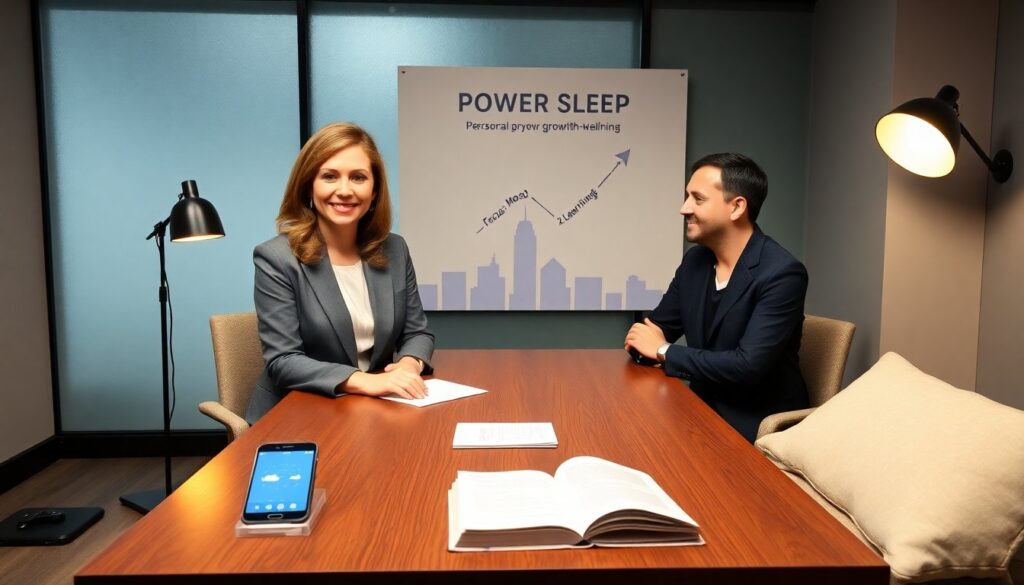
power sleep personal growth wellness conversationswith heather frames sleep as an active tool. The show presents sleep habits that support change. Heather and guests share clear steps. Readers can adopt small rituals that improve mood, focus, and learning. The article explains what power sleep means, offers practical steps to use tonight, and shares insights from Conversations With Heather.
Key Takeaways
- Power sleep focuses on targeted sleep habits that enhance mood, focus, learning, and overall personal growth.
- Maintaining consistent wake times and a flexible bedtime allowing 7–9 hours of sleep supports body rhythm and deep restorative sleep.
- Incorporating a simple nightly wind-down routine and reducing blue light exposure before bed helps signal the body to prepare for restful sleep.
- Tracking sleep patterns using a log or app enables testing small changes and accelerates improvements over one to two weeks.
- Pairing new sleep rituals with existing habits (habit stacking) increases consistency and boosts sustained wellness benefits.
- Social support and accountability, like sharing progress with partners or groups, significantly improve adherence to power sleep habits.
What Power Sleep Is And Why It Fuels Personal Growth
Power sleep personal growth wellness conversationswith heather defines power sleep as targeted sleep habits that improve daily function. It links sleep quality to learning, memory, mood, and recovery. Scientists show sleep helps the brain store new information. It clears metabolic waste from brain tissue. It balances hormones that control appetite and stress. People who improve sleep tend to perform better at work and feel more resilient.
Heather frames power sleep as a repeatable habit. She asks guests to describe one nightly ritual that helped them change. Guests often name consistent bedtimes, a short wind-down routine, or limited screen time. Each ritual reduces sleep fragmentation and supports deep sleep. Deep sleep helps consolidate learning. REM sleep helps process emotion. Both sleep stages help personal growth.
Power sleep personal growth wellness conversationswith heather stresses measurement. Heather recommends a simple sleep log. The log tracks bedtime, wake time, perceived rest, and key daytime symptoms. This log reveals patterns. It helps people test changes. Small changes show effects within one to two weeks. That feedback accelerates progress.
Heather also stresses habit stacking. She suggests pairing a nightly ritual with an existing habit, like brushing teeth. This pairing makes the ritual easier to keep. Over time, the small ritual produces steady gains in mood, energy, and focus. Those gains support sustained personal growth.
Practical Power Sleep Strategies You Can Start Tonight
Power sleep personal growth wellness conversationswith heather recommends simple steps that people can try tonight. First, set a fixed wake time. The body keeps time better when wake time stays steady. Second, set a flexible bedtime goal that allows at least seven hours of sleep. Most adults need seven to nine hours.
Third, create a five- to ten-minute wind-down routine. Heather suggests one clear action before bed. The action might be light stretching, reading a single page, or a short breathing exercise. The routine signals the body to reduce alertness. It also removes decision load at night.
Fourth, reduce blue light one hour before bed. People can switch devices to night mode or place phones face down. This step reduces light that suppresses melatonin. Fifth, make the bedroom cooler and darker. A cooler room helps the body lower core temperature, which supports deep sleep. Sixth, limit heavy meals and caffeine within four to six hours of bedtime.
Seventh, use short, targeted naps when needed. Heather notes that a ten- to twenty-minute nap can boost alertness without reducing night sleep. She warns against long late-afternoon naps. Eighth, track sleep for two weeks. Data lets people test which steps help most. Heather recommends a simple phone app or a paper log.
Power sleep personal growth wellness conversationswith heather also includes small cognitive shifts. People should treat sleep as a priority rather than a reward. They should plan evening activities with sleep in mind. That change in planning leads to steady improvement in focus, mood, and learning.
Bringing Power Sleep Into Your Wellness Journey — Insights From Conversations With Heather
Power sleep personal growth wellness conversationswith heather shows how sleep fits into a broader wellness plan. Heather speaks with coaches, doctors, and everyday people. Each guest connects sleep to one clear goal, like better focus, less anxiety, or faster skill learning. They explain one habit that made the largest difference.
A coach describes how consistent wake times helped a client stop afternoon crashes. A therapist explains how improved REM sleep reduced emotional reactivity. A musician says that a short wind-down routine helped consolidate practice sessions. These accounts make the benefits concrete. They also show that small steps produce large gains.
Heather highlights common barriers. People list work schedules, caregiving, and social media as top obstacles. The show offers practical workarounds. For shift work, guests suggest strategic light exposure and meal timing. For parents, guests recommend short shared wind-down rituals that involve the child. For heavy phone use, guests advise on gradual cutbacks and device placement outside the bedroom.
Heather also emphasizes the social side of sleep change. She suggests joining a small accountability group or sharing a sleep log with a partner. Social support increases follow-through. Guests report that a single weekly check-in kept them consistent for months.
Finally, Heather frames power sleep as a lever in wellness. She urges listeners to treat one sleep habit as an experiment. She asks them to test the habit for two weeks and record results. That method makes progress visible and attainable. It also links sleep to clear outcomes, such as improved mood, sharper focus, and faster learning. Power sleep personal growth wellness conversationswith heather encourages steady action and simple measures to support lasting change.