
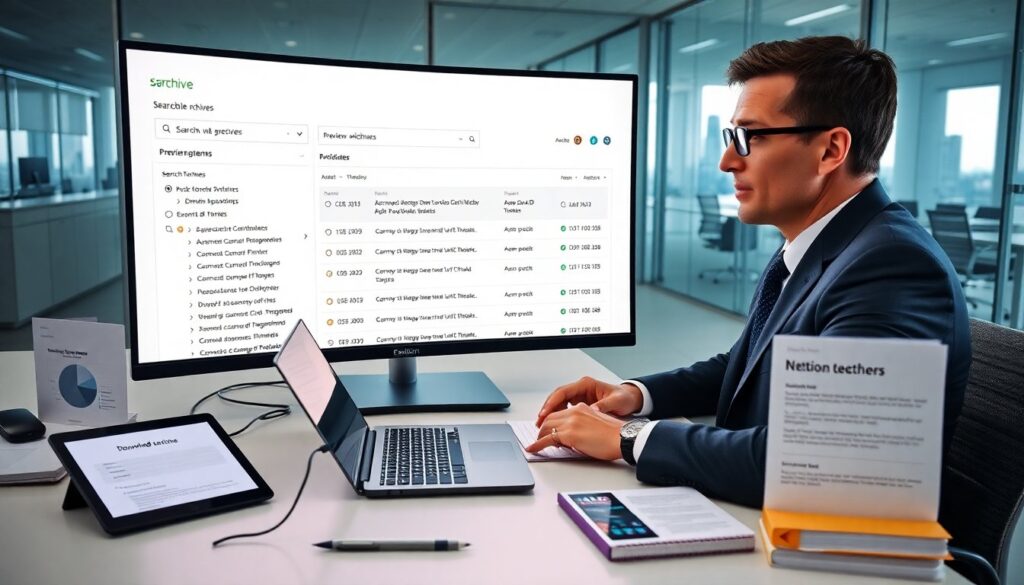
The archives from conversationswithheather contain recorded public discussions and key threads. The reader gains clear access steps and use cases. The guide lists search methods, saving options, and citation formats. The text aims to help researchers, journalists, and fans find and keep useful threads quickly.
Key Takeaways
- The archives from conversationswithheather provide organized, time-stamped public threads including posts, replies, images, and sources helpful for researchers, journalists, students, and fans.
- Access the conversationswithheather archives via the site menu or direct URL with minimal login, using keyword, date, author, and tag filters for precise, efficient searches.
- Users can save, export, and cite threads in multiple formats like JSON or plain text, with citation templates available to ensure proper attribution and transparency.
- The archive supports batch exports, API access with rate limits, and offers preview and permalink features to facilitate thorough verification and reuse.
- For best use, combine advanced search operators, save local copies with metadata, maintain changelogs for repeated queries, and respect copyright and privacy guidelines when sharing content.
What The ConversationsWithHeather Archives Contain And Who They’re For
The archives from conversationswithheather store time-stamped posts, thread replies, images, and linked sources. The archive keeps original text and metadata. The archive groups content by topic and date. The collection covers interviews, Q&A sessions, and commentary. Researchers find quotes and source links. Reporters extract timelines and context for stories. Students pull examples for analysis. Fans collect memorable exchanges and community reactions. Archivists use the records to verify claims. The archive supports keyword export and basic filtering. The archive includes author attributions and post IDs. The archive preserves timestamps and edit histories when available. The archive omits private messages and deleted items in most cases. The archive follows platform rules and user consent notices. The archive offers an index page and a downloadable index file. The index lists thread titles and basic tags. The index speeds discovery and reduces time spent searching. The archive provides common metadata fields: author, date, post ID, thread ID, and tags. The archive also records link destinations and media types. The archive helps users track timeline changes across posts. The archive helps the user confirm who said what and when. The archive supports export in CSV and JSON for many research tools.
How To Access, Search, And Use The Archives Effectively
The reader can access the archives from conversationswithheather via the site menu or the public archive URL. The site asks for minimal login to view full threads. The search box accepts keywords, dates, and author names. The search returns exact matches and related thread snippets. The search ranks results by relevance and date. The reader can sort results by newest or most referenced. The reader can filter results by tag or media type. The reader can use site search operators such as quotes for exact phrases. The reader can combine author: and date: filters to narrow results. The archive supports advanced filters in the download interface. The archive lets the user preview a thread before downloading. The archive shows context lines and linked posts for each hit. The archive highlights matched terms in the preview. The archive provides direct links to full threads. The archive offers a permalink for citation. The reader can export threads as text or as a structured data file. The reader can export a single thread or a batch of threads. The archive keeps export logs for transparency. The reader can request an extended export for large sets. The archive can deliver exports by email or direct download. The archive preserves original formatting and inline links where possible. The archive recommends saving a local copy for long-term use. The reader should record the post ID and export timestamp for future reference. The archive supplies citation templates that include author, thread title, date, and permalink. The reader can use those templates in articles and reports. The site displays usage and copyright notes next to each thread. The reader should respect those notes when reusing content. The archive supports a basic API for scripted queries. The API returns JSON with thread text, author, and metadata fields. The API requires an API key for non-public exports. The archive enforces rate limits for heavy requests. The reader should batch queries and use caching to stay within limits.
Practical Tips For Finding, Saving, And Citing Important Threads
Use precise keywords when searching the archives from conversationswithheather. Use quotes for exact phrases such as “site policy” or a quoted comment. Use date filters to limit noise. Use author filters to find posts from a specific contributor. Scan preview snippets to confirm relevance before opening full threads. Save a local text copy and a screenshot for visual proof. Save the permalink and the thread ID in a project notes file. Include the export timestamp in the notes. Export in JSON when the reader needs metadata for analysis. Export as plain text when the reader needs readable quotes. Use the archive citation template when the reader prepares a public report. Cite the author, thread title, date, and permalink. Add the export timestamp in parentheses for transparency. When the reader quotes multiple posts, list each post separately with its post ID and timestamp. When the reader paraphrases, check the original thread again before publishing. When the reader republishes images, confirm licensing in the thread notes. When the reader contacts an author for permission, include the permalink and the export timestamp. When the reader shares data sets, redact personal contact details unless permission exists. When the reader builds a timeline, order threads by their original timestamps. When the reader runs repeated searches, maintain a changelog of search terms and dates. When the reader works with the API, cache results and back up responses. When the reader automates exports, respect the archive rate limits and request larger quotas if needed. When the reader stores archives in a team drive, control access with clear permissions. When the reader archives for long-term research, use checksums to verify file integrity. When the reader prepares a news story, double-check the archive’s original text against screenshots to prevent transcription errors.