
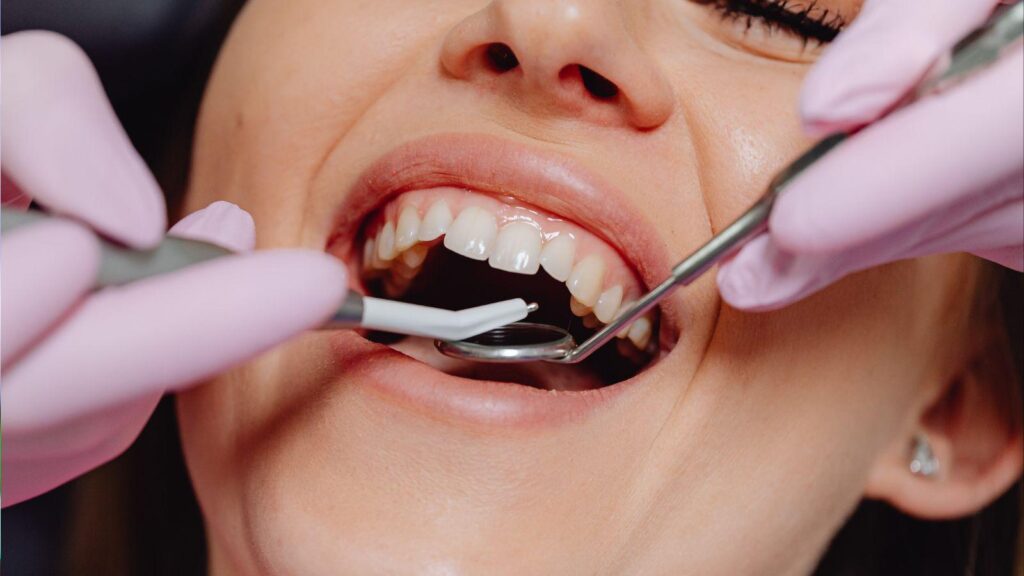
Losing a tooth in your 30s can feel sudden, but this decade often offers the best combination of jaw maturity, bone health, and healing capacity to make dental implants a durable, natural-looking solution. If your jaw has finished growing and you're in good overall health, tooth replacement in Anna, Texas with implants gives you strong long-term function and aesthetics while minimizing future complications.
You'll explore why tooth loss happens at this stage, how implants protect oral health and appearance long term, what medical and lifestyle factors to check before treatment, and how to maintain implants afterward. Expect clear, practical guidance so you can weigh timing, benefits, and next steps with confidence.
Why Tooth Loss Occurs in Your 30s
You may lose a tooth in your 30s because of inherited traits, daily habits, or earlier dental treatments that weaken the tooth or supporting bone. Understanding specific causes helps you choose timely solutions like implants before bone loss complicates treatment.
Genetic and Lifestyle Influences
Genetics can determine your enamel strength, immune response to bacteria, and how quickly gum disease progresses. If close relatives had early tooth loss, you likely share risk factors such as thinner enamel or a tendency toward aggressive periodontal disease.
Lifestyle choices compound genetic risk. Daily tobacco use, frequent sugary drinks or snacks, and inconsistent oral hygiene accelerate decay and gum inflammation. Smoking also reduces blood flow to gums, slowing healing after infections or dental procedures.
Certain medical issues and medications matter too. Uncontrolled diabetes raises infection risk; some antidepressants and antihistamines cause dry mouth, which increases cavities. Addressing these factors improves long-term tooth retention and the success of future implants.
Common Dental Health Challenges
Cavities remain a leading cause of tooth loss in younger adults when untreated decay reaches the pulp. Symptoms you should watch for include lingering tooth pain, dark spots, and sensitivity to hot or cold.
Periodontal (gum) disease often starts as gingivitis and can advance silently to periodontitis, where bone and ligament that hold teeth are destroyed. Early signs include bleeding when brushing, persistent bad breath, and gums that recede.
Trauma from sports, accidents, or grinding (bruxism) also causes tooth loss. A cracked root or repeated stress can make a tooth non-restorable. Night guards, protective gear, and timely dental repairs reduce these risks.
Impact of Previous Dental Work
Existing restorations influence future tooth stability. Large fillings weaken tooth structure and increase fracture risk, especially if margins fail or decay returns under the restoration.
Root canal–treated teeth can last many years but become more brittle over time. Without proper cuspal coverage (crowns), these teeth have higher fracture and loss rates. You should ask your dentist about crown placement after endodontic therapy.
Poorly fitted bridges or failed implants can transfer excessive forces to adjacent teeth or bone, accelerating problems. Regular checkups and timely repairs prevent small issues from becoming reasons for extraction and make implant planning more predictable.
Long-Term Health and Aesthetic Benefits
Dental implants preserve jawbone volume, restore chewing efficiency, and recreate the appearance of natural teeth. They reduce the need for frequent prosthetic adjustments and help prevent the facial changes that follow tooth loss.
Bone Preservation and Oral Structure
When you lose a tooth, the underlying jawbone no longer gets the mechanical stimulation from chewing that maintains bone mass. An implant’s titanium post transmits forces to the bone, which helps preserve bone height and density near the replaced tooth.
Preserved bone supports neighboring teeth and the overall alignment of your dental arch. That lowers the risk of adjacent teeth shifting, bite changes, and the need for more complex orthodontic or restorative work later.
Key points to watch for:
Maintaining a Natural Smile
An implant-supported crown replicates the shape, color, and emergence profile of a natural tooth. You can expect a close match to adjacent teeth when a skilled dentist or prosthodontist customizes the crown material and shading.
Because implants don’t rely on neighboring teeth for support, your dentist can preserve healthy tooth structure. This often results in a more conservative and visually pleasing outcome than a fixed bridge.
Practical aesthetic considerations:
Speech and Chewing Functionality
An implant restores occlusal forces close to natural teeth, so you regain near-normal bite strength and chewing efficiency. That allows you to eat a wider variety of foods without the slipping or discomfort common with removable dentures.
Speech benefits follow from stable tooth position and proper crown contour. You should notice improved consonant clarity, especially for sounds that depend on front teeth contact, such as “s,” “t,” and “th.”
Functional maintenance tips:
Considerations Before Starting Treatment
You should weigh medical readiness, cost and coverage, and the expertise of the clinician before scheduling implant surgery. Each area affects timing, expected outcomes, and the steps you’ll need to complete first.
Evaluating Overall Health and Candidacy
Your medical history drives candidacy more than age alone. Conditions such as uncontrolled diabetes, heavy smoking, autoimmune disorders, or certain cancer treatments raise implant failure risk and may require stabilization or medical clearance first.
You’ll need a dental exam, CBCT scan, and assessment of bone volume and gum health. If your jawbone lacks height or width, options include bone grafting or short/angled implants; those procedures change timeline and cost.
Medication review matters: bisphosphonates, anticoagulants, and immunosuppressants can alter planning. Expect coordination between your dentist, primary care doctor, and any specialists to optimize healing and reduce complications.
Financial Planning and Insurance
Estimate total cost, not just the implant post. Typical components include consultation, imaging, implant fixture, abutment, crown, and any grafting or temporary teeth. Prices vary widely by region and by whether you choose single implants or full-arch solutions.
Check your medical and dental insurance policies for implant coverage, preauthorization requirements, and waiting periods. Many plans cover part of the prosthetic or exclude implants entirely; obtain written estimates and a breakdown of covered vs. out-of-pocket items.
Consider financing, dental loans, or in-office payment plans to spread costs. Compare warranties and what follow-up appointments or maintenance are included so you’re not surprised by future expenses.
Selecting an Implant Specialist
Choose a clinician with specific implant training and documented outcomes. Look for board certification or fellowship (for example, in periodontics, oral surgery, or prosthodontics), and ask how many implants they place annually and their complication rates.
Verify the team and facility resources: on-site CBCT, sterile surgical environment, and restorative coordination between surgeon and restorative dentist. Request before-and-after photos and patient references for cases similar to yours.
Ask about the treatment workflow: single-stage vs. two-stage surgery, implant brand, guided surgery use, and contingency plans for graft failures. Confirm communication channels and who handles emergency care or complications after placement.
Post-Procedure Lifestyle and Maintenance
Expect short-term rest, measured oral care, and a predictable schedule of follow-up visits and professional cleanings to protect bone and gum health around your implant.
Recovery Timeline and Expectations
You should expect the first 24–72 hours to be the most uncomfortable. Manage swelling with ice packs for 10–15 minutes on/off, take prescribed analgesics or NSAIDs as directed, and avoid heavy exercise for 48–72 hours.
By week 1 the soft tissues will heal enough for gentle brushing near the site. Stitches (if nonresorbable) are usually removed at 7–10 days. Avoid hard, crunchy foods for 2–4 weeks; choose soft proteins and mashed vegetables to prevent pressure on the implant.
Osseointegration begins within days and continues over 3–6 months. You’ll have a radiograph at the three-month visit to check hard-tissue levels; your clinician may schedule maintenance visits every 3 months during the first year.
Daily Hygiene and Aftercare
Brush twice daily with a soft-bristled brush, focusing on implant crowns and adjacent gum margins. Use low-abrasive toothpaste and avoid aggressive scrubbing that can damage peri-implant tissue.
Floss daily using implant-specific floss, superfloss, or thin interdental brushes sized to fit the embrasures. Rinse once daily with an antimicrobial mouthwash if recommended; avoid alcohol-based rinses if you have persistent dry mouth.
If you smoke, stop. Smoking increases the risk of implant failure and slows healing. Maintain a balanced diet rich in protein, vitamin C, and calcium to support bone remodeling. Report any increasing pain, pus, or mobility immediately.
Monitoring Implant Longevity
Schedule professional maintenance every 3 months initially, then space visits to every 6–12 months once stability is confirmed. These visits should include probing depths, plaque assessment, and a periapical or bitewing radiograph when indicated.
Keep a written log of symptoms and any changes you notice—gum bleeding, recession, or shifting of adjacent teeth—to bring to appointments. Your clinician will measure peri-implant pocket depths and check occlusion; adjustments to the bite or prosthesis may be needed to prevent overload.
Long-term success depends on consistent home care, regular professional maintenance, and management of systemic risks such as uncontrolled diabetes or continued tobacco use.