
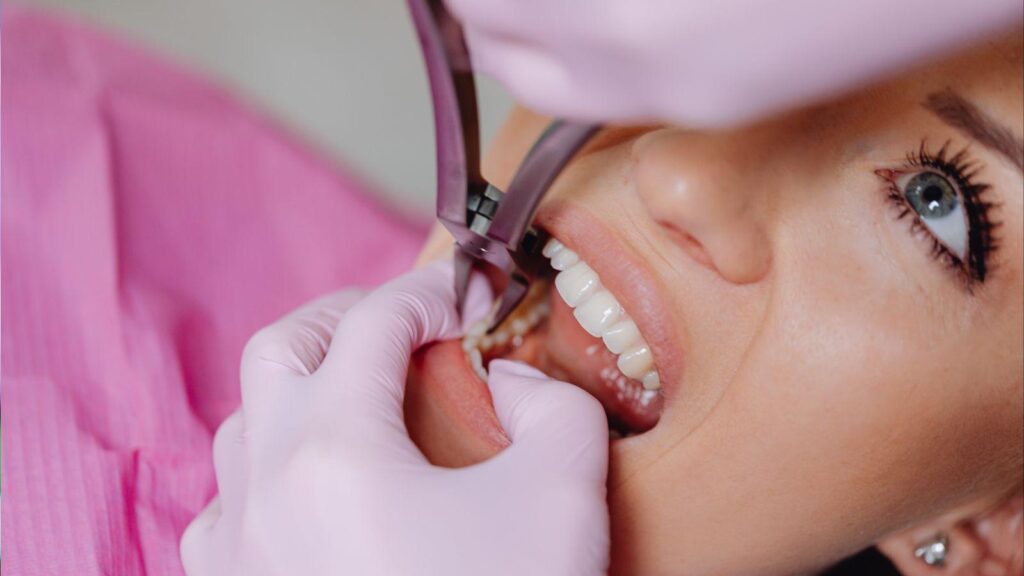
Feeling anxious about dental implant surgery is common, and you don’t have to let that worry stop you from getting the care you need. This post maps practical options — from preparatory strategies to sedation and aftercare — so you can choose a path that fits your comfort level and medical needs, whether you’re exploring dental implant services in Wilmington or closer to home.
You can manage dental implant anxiety with a mix of pre-treatment techniques, tailored sedation or anesthesia, and clear aftercare plans that keep you safe and comfortable.
Keep reading to learn how to reduce fear before the appointment, compare sedation choices like local anesthesia, oral sedatives, and IV sedation, and plan recovery steps that support both comfort and healing.
Understanding Dental Anxiety
Dental anxiety comes from specific experiences, physical concerns, and emotional responses. You can learn what triggers your fear, how it affects your teeth and treatment, and how to spot stress signals before and during care.
Common Causes of Dental Fear
Many people trace anxiety to a painful past procedure, a rough or uncaring provider, or childhood experiences that framed dentistry as scary. You may fear needles, drills, gagging, or loss of control during treatment.
Media and secondhand stories amplify fear by emphasizing worst-case scenarios. Sensory triggers—loud sounds, clinical smells, bright lights—can provoke immediate panic even when you know the risk is low.
Medical factors also contribute: strong gag reflex, sensitive teeth, or a history of trauma or PTSD make dental settings particularly challenging. Identifying which of these apply to you helps shape realistic coping strategies and sedation choices.
Impact of Anxiety on Oral Health
Avoiding the dentist because of fear increases your risk for gum disease, tooth decay, and tooth loss. Delayed treatment can turn small problems into extensive procedures that take longer and cost more.
Anxiety can also produce physical reactions—tensing, skipping appointments, shallow breathing—that make exams and surgery harder to perform. Those reactions may increase bleeding, prolong healing, or complicate local anesthesia effectiveness.
Managing anxiety early preserves bone and gum health and often reduces the need for more invasive implant-related work. Choosing appropriate anxiety-management options improves surgical outcomes and shortens recovery for your implant procedure.
Recognizing Signs of Patient Stress
You may show stress through visible behaviors: fidgeting, sweating, avoiding eye contact, or arriving late. Reported symptoms often include racing heart, nausea, dizziness, or trouble sleeping before an appointment.
During the visit, watch for clenched jaws, shallow breathing, or repeated questions that signal panic. Providers also look for missed appointments and last-minute cancellations as warning signs.
Be explicit about physical sensations and mental state so your team can adjust communication, offer breaks, or provide sedation. Clear reporting of symptoms lets clinicians tailor pain control and anxiety management to your needs.
Pre-Treatment Strategies for Comfort
You will learn practical steps to reduce fear, prepare mentally and physically, and tailor the procedure to your needs. The focus is on clear communication, proven anxiety-reduction techniques, and a treatment plan customized around your comfort and medical profile.
Patient Education and Communication
Ask detailed questions about each step of the implant process: incision, bone work, sutures, expected sensations, and timeline for healing. Request the specific names and doses of medications the team will use and what monitoring (blood pressure, oxygen) they perform during sedation.
Bring a written list of your medical history, current medications (including OTC and herbal supplements), allergies, and previous anesthesia reactions. Provide this to the dentist and anesthetist so they can flag drug interactions or need for adjusted sedation.
Tell your care team how you react to needles, tight spaces, or loss of control. Ask for a walk-through or short video of the operatory and for staff to explain step-by-step what you will hear and feel. Clear, specific information reduces uncertainty and often lowers baseline anxiety.
Behavioral Techniques to Ease Anxiety
Practice diaphragmatic breathing and timed exhalations before your appointment; aim for 4 seconds in, 6 seconds out, repeated for five minutes. Use a smartphone app or a brief guided breathing track to keep you steady in the waiting room and during local anesthesia.
Try progressive muscle relaxation the night before and the morning of surgery. Tense each muscle group for five seconds, then release; move from toes to face to reduce physiological arousal.
Consider brief cognitive techniques: prepare two realistic, calming statements to repeat (e.g., “I am monitored and safe,” “This lasts less than two hours”). Bring noise-cancelling headphones and a playlist of familiar music to reduce sensory overload. If you respond well to visual aids, ask for intra-oral photos or implant models to demystify the procedure.
Customized Treatment Planning
Request a pre-op medical consultation that includes review of your anxiety level, ASA physical status, and any airway concerns. This allows the team to choose the safest sedation: nitrous oxide for mild anxiety, oral benzodiazepine for moderate anxiety, or IV sedation/monitored anesthesia care for severe anxiety or complex surgery.
Ask the clinician to schedule the procedure at a time that suits your natural energy and stress levels—morning appointments often reduce fasting-related irritability. Confirm a clear post-op plan: who will drive you home, written aftercare instructions, and prescriptions filled before you arrive.
If you have dental phobia or past traumatic experiences, request more frequent short appointments or staged treatment (place implant now, complete restoration later) to build trust and tolerance without extending surgical risk.
Sedation and Anesthesia Solutions
You will learn which anesthesia and sedation options numb pain, reduce anxiety, and match the complexity of your implant procedure. Each option balances safety, depth of sedation, recovery time, and required monitoring.
Local Anesthesia Explained
Local anesthesia numbs only the surgical site so you stay awake but feel no pain in the area where the implant goes. Your implant dentist or oral surgeon injects a topical anesthetic followed by a local anesthetic (commonly lidocaine or articaine) near the nerves that supply the tooth and jaw.
You remain alert and can follow instructions, which helps with immediate feedback during implant placement. Effects begin within minutes and last an hour or more; your provider can give additional doses or use long‑acting formulas if the procedure runs long.
Local anesthesia has minimal systemic risk for most healthy adults. Tell your team about allergies, bleeding disorders, or medications (like blood thinners) so they can adjust technique or monitor you more closely.
Oral Sedation Methods
Oral sedation uses prescription pills to reduce anxiety while you stay conscious. Common medications include benzodiazepines such as diazepam or triazolam taken about 30–90 minutes before the appointment.
Oral sedation produces mild to moderate sedation: you will be relaxed, drowsy, and possibly amnesic for parts of the procedure, but you can still respond to verbal prompts. Recovery varies; expect grogginess for several hours and arrange a responsible ride home.
Oral sedatives are convenient and noninvasive but offer less precise control than IV sedation. Discuss dosage adjustments if you take other CNS depressants, have respiratory issues, or are elderly.
IV Sedation for Complex Cases
IV sedation delivers sedative drugs directly into a vein for rapid, adjustable effects. Providers commonly use midazolam or a combination of agents to achieve moderate to deep sedation, depending on your anxiety level and the surgical complexity.
You will be monitored continuously (oxygen, heart rate, blood pressure) and require personnel trained in advanced airway management. IV sedation lets the clinician titrate depth in real time, useful when multiple implants, bone grafting, or longer surgery is planned.
Recovery is faster than general anesthesia but slower than local alone; you will need a companion to take you home and should avoid driving or heavy machinery for 24 hours. Disclose obstructive sleep apnea, respiratory disease, or heart conditions before scheduling.
General Anesthesia Considerations
General anesthesia renders you fully unconscious and is reserved for patients with extreme dental phobia, extensive surgical needs, or medical conditions that necessitate absolute immobility. An anesthesiologist administers and manages gases and IV agents throughout the case.
Because it suppresses protective reflexes and breathing, general anesthesia requires endotracheal intubation or advanced airway support and postoperative recovery in a monitored setting. Preoperative evaluation includes fasting rules, medication review, and assessment of cardiac and pulmonary risk.
General anesthesia carries higher risk and longer recovery than other options. Your team will discuss benefits, potential complications, and whether an outpatient surgery center or hospital setting offers safer care for your specific needs.
Aftercare and Ongoing Support
You will need clear steps for immediate recovery, ways to manage anxiety after the procedure, and a plan for building confidence with your dental team over months of healing.
Managing Post-Procedure Anxiety
Expect anxiety to fluctuate during the first 72 hours and again before follow-up visits. Use brief, practical tools: paced breathing for 3–5 minutes, distraction (a podcast or music playlist), and scheduled check-ins with your dentist by phone or secure messaging.
Tell your team what helps you calm down so they can reinforce it. If sedation was used, arrange a trusted person to stay with you for 24 hours and avoid driving or making major decisions. Consider short-term referrals to a therapist if panic or avoidance persists beyond two weeks.
Keep a simple log of symptoms, sleep, and mood for each day. Bring this to appointments to show trends and guide adjustments to medication, follow-up frequency, or behavioral strategies.
Pain Control Options
Follow your dentist’s written pain plan exactly. Typical orders include alternating acetaminophen (500–1000 mg) and ibuprofen (200–400 mg) every 4–6 hours, staying within daily maximums; take the first dose before local anesthesia wears off if advised.
If your surgeon prescribed opioids, use the lowest effective dose for the shortest time and discard unused pills safely. Use cold packs for the first 48 hours (20 minutes on, 20 minutes off) to limit swelling, and elevate your head while resting.
Report worsening pain, fever over 101°F (38.3°C), or increasing swelling immediately. These signs may indicate infection or a complication that needs prompt evaluation.
Long-Term Trust-Building with Your Dental Team
Schedule and attend all follow-ups: a 1-week check, a 3–4 week wound check, and an implant osseointegration review at 3–6 months unless your clinician specifies otherwise. These visits let your team monitor healing and adjust care early.
Ask for written care steps for oral hygiene around the implant: which toothbrush, interdental cleaner, and antiseptic rinse to use and when to resume flossing. Request that the dentist review X-rays and show you images so you understand progress.
If anxiety affects attendance or oral hygiene, ask about periodic sedation options for maintenance visits, a care coordinator to streamline appointments, or short counseling referrals. Consistent communication and clearly defined roles for you and your team build confidence and reduce fear over time.