
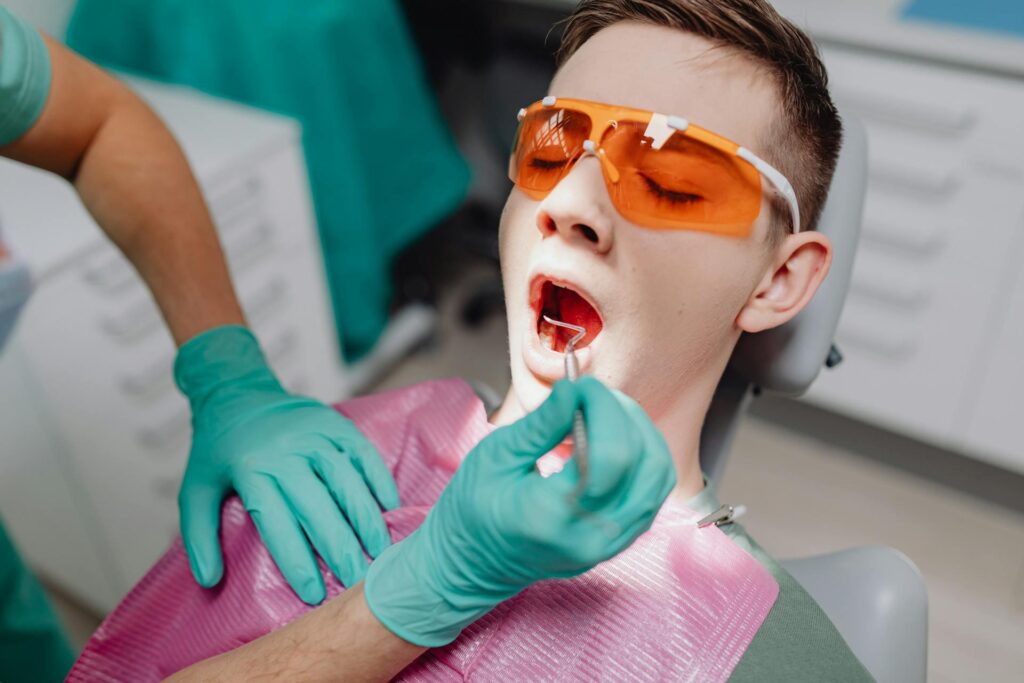
Most people understand that braces and clear aligners straighten teeth over time, but very few know what is actually happening beneath the surface during treatment. Teeth do not simply slide through the gums. Orthodontic treatment involves a carefully controlled biological process that affects bone, ligaments, and surrounding tissues.
Whether someone chooses traditional braces or clear aligners, the science behind tooth movement remains the same. Gentle pressure is applied to the teeth, triggering changes within the jawbone that allow teeth to gradually shift into healthier positions.
For patients researching braces in Alexandria, VA, learning how orthodontic treatment works can make the process feel more predictable while helping them understand why professional supervision and consistency are so important for long-term results.
Understanding how orthodontic tooth movement works can help patients feel more confident about treatment, set realistic expectations, and appreciate why professional supervision is so important.
What Is Tooth Movement in Orthodontics?
In orthodontics, tooth movement refers to the gradual repositioning of teeth using controlled force. Orthodontists use braces or clear aligners to guide teeth into better alignment for both cosmetic and functional improvements.
Teeth are not fused directly to the jawbone. Instead, each tooth sits in a socket and is connected to the surrounding bone by a thin layer of tissue called the periodontal ligament. This ligament acts like a cushion and allows the tooth to move slightly when pressure is applied.
Because of this unique structure, teeth can slowly shift through the bone in response to orthodontic treatment.
How Braces Move Teeth
One of the most common patient questions is: “How do braces move teeth?”
Traditional braces use several components to create pressure:
● Brackets attached to the teeth
● Archwires connecting the brackets
● Elastics or springs when needed
The wire naturally tries to return to its original shape, and in the process, it applies gentle pressure to the teeth. Over time, this pressure encourages the teeth to move into new positions.
Orthodontists adjust the wires periodically to continue guiding movement throughout treatment.
Although the force may feel small, the body responds biologically in a significant way.
How Clear Aligners Move Teeth
Clear aligners use the same basic principle as braces but in a removable form.
Patients wear a series of custom-made plastic trays that fit snugly over the teeth. Each tray is slightly different from the previous one and designed to move certain teeth step by step.
As patients switch aligners every one to two weeks, controlled pressure continues shifting the teeth gradually.
Many people choose clear aligners because they are:
● Nearly invisible
● Removable for meals
● Easier to clean around
● Often more comfortable than braces
However, aligners only work properly when worn consistently, usually 20–22 hours per day.
The Role of Bone Remodeling in Orthodontics
The most important part of orthodontic tooth movement happens below the gums.
When braces or aligners apply pressure to a tooth, the surrounding tissues respond through a process called bone remodeling in orthodontics.
This process includes two important actions:
● Bone breakdown on one side of the tooth
● New bone formation on the opposite side
Bone Resorption
On the side where pressure is applied, the periodontal ligament becomes compressed. Specialized cells called osteoclasts begin breaking down tiny amounts of bone. This process is known as bone resorption.
Without this step, the tooth would not have room to move.
Bone Formation
On the opposite side, the ligament stretches. Another group of cells called osteoblasts starts building new bone behind the moving tooth.
This newly formed bone helps stabilize the tooth in its new position.
A simple way to picture this process is to imagine moving a post through soil. The ground must loosen in front while becoming firm behind to support the new location.
What Happens to the Ligaments and Surrounding Tissues?
The periodontal ligament plays a major role in tooth movement.
This thin tissue contains:
● Blood vessels
● Nerves
● Collagen fibers
● Repair cells
When orthodontic force is applied, the ligament experiences compression and tension. These changes send signals that activate bone remodeling.
Mild inflammation is also part of the body’s natural response. This explains why patients often feel tenderness after orthodontic adjustments or when switching to a new aligner tray.
Fortunately, healthy tissues usually adapt well when movement is carefully controlled.
Why Tooth Movement Takes Time
Many patients hope for quick orthodontic results, but safe tooth movement cannot happen overnight.
The body needs time to:
● Break down bone
● Rebuild supporting structures
● Allow tissues to adapt
● Stabilize teeth gradually
Moving teeth too quickly can increase the risk of damage to roots, gums, and bone.
Orthodontic treatment may take anywhere from several months to a few years depending on:
● Severity of crowding
● Bite problems
● Patient age
● Bone density
● Treatment compliance
Teenagers often experience faster movement because their bones are still developing. Adults can still achieve excellent results, although treatment may progress more slowly.
Common Sensations During Treatment
Mild discomfort during orthodontic treatment is normal.
Patients commonly experience:
Pressure or Tightness
This often occurs after braces are adjusted or when starting a new aligner tray.
Tooth Tenderness
Teeth may feel sore while chewing for a few days.
Mild Irritation
Brackets or aligners can sometimes rub against the cheeks or gums.
Temporary Speech Changes
Some aligner patients notice a slight lisp initially.
These sensations are usually temporary and are often signs that tooth movement is occurring.
Factors That Affect Tooth Movement Speed
Not everyone’s teeth move at the same pace.
Several factors influence how quickly orthodontic treatment progresses.
Age
Younger patients often experience faster tooth movement because their bone metabolism is more active.
Oral Health
Healthy gums and bone are essential for safe movement.
Bone Density
Denser bone can slow movement.
Treatment Compliance
Patients who do not wear aligners consistently may experience delays.
Complexity of the Case
Minor spacing issues generally move faster than severe bite corrections.
Risks of Moving Teeth Too Quickly
Although fast treatment sounds appealing, aggressive tooth movement can cause serious problems.
Excessive force may lead to:
Root Resorption
The roots of teeth may shorten during overly aggressive movement.
Gum Recession
Improper movement can place stress on gum tissues.
Bone Loss
Supporting bone may weaken if teeth are forced too quickly.
Unstable Results
Teeth moved too aggressively are more likely to shift back after treatment.
This is one reason professional orthodontic supervision is so important.
Why Professional Supervision Matters
Orthodontic treatment involves more than simply straightening visible teeth.
An orthodontist evaluates:
● Jaw alignment
● Bite function
● Root positioning
● Bone support
● Gum health
Regular checkups help ensure tooth movement remains healthy and controlled throughout treatment.
Professional supervision also helps identify complications early, including:
● Broken brackets
● Poor aligner tracking
● Gum inflammation
● Bite problems
DIY orthodontic solutions may seem convenient, but moving teeth without proper monitoring can create long-term oral health issues.
Tips for Healthy Tooth Movement
Patients can support healthy orthodontic tooth movement by following a few important habits.
Maintain Good Oral Hygiene
Brush and floss carefully to prevent plaque buildup.
Wear Aligners as Directed
Skipping wear time slows progress.
Attend Orthodontic Appointments
Routine visits allow treatment adjustments and progress monitoring.
Avoid Damaging Foods
Hard or sticky foods can damage braces.
Follow Instructions Carefully
Rubber bands, retainers, and aligner schedules all contribute to successful treatment.
Conclusion
Tooth movement is a carefully controlled biological process involving bone remodeling, connective tissues, and gradual adaptation. Whether achieved with braces or clear aligners, orthodontic treatment works by applying steady pressure that encourages teeth to shift safely into healthier positions.
Although the process requires patience, professionally supervised orthodontic tooth movement can improve both smile appearance and oral function in lasting ways.
If you are considering braces or clear aligners, consult a qualified orthodontist to discuss the safest and most effective treatment plan for your individual needs.