
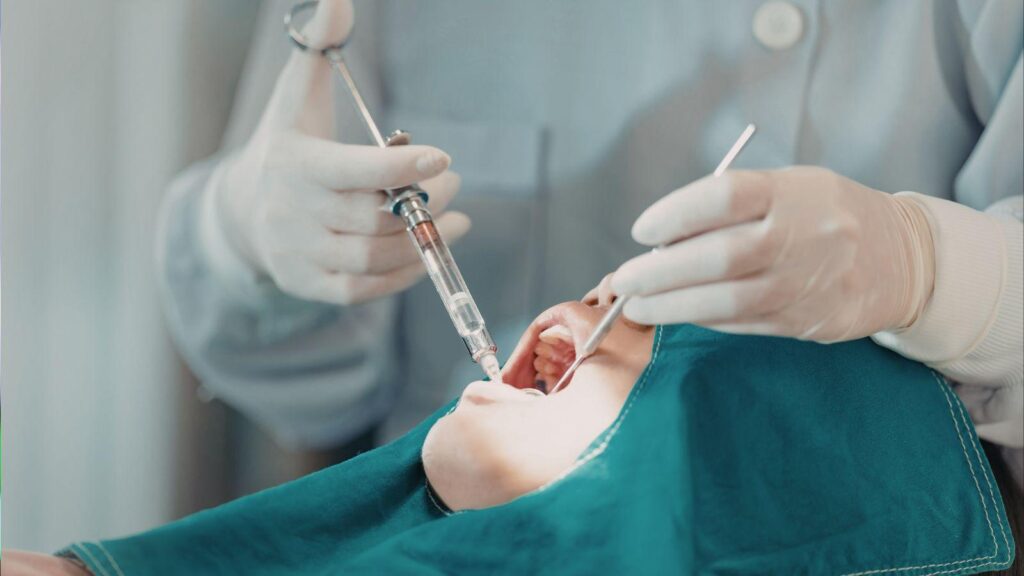
If oral sedation makes you calmer during dental implant procedures, it works by taking a prescribed pill before your appointment so you stay relaxed but responsive throughout. Oral sedation reduces anxiety and helps you tolerate longer implant surgery without needing IVs or general anesthesia, while still allowing safe monitoring by your dental team — making it a popular choice when looking for the finest dental implant specialist in Plymouth.
You will learn what to expect during the implant visit with sedation, how the medication is timed and monitored, and practical steps to prepare — like fasting, arranging transportation, and sharing your medical history. Knowing these details up front helps you feel in control and ready for a smoother implant experience.
Understanding Oral Sedation
Oral sedation uses prescription pills to reduce anxiety and awareness during implant surgery. It affects your level of consciousness, heart rate, and ability to respond, so dosing and monitoring matter.
Types of Oral Sedatives Used in Dentistry
Dentists most commonly use benzodiazepines for oral sedation. Drugs such as diazepam (Valium), lorazepam (Ativan), and triazolam (Halcion) slow brain activity to produce relaxation and amnesia. Each drug differs in onset and duration: diazepam starts within 30–60 minutes and lasts several hours, lorazepam has a moderate onset with reliable anxiolysis, and triazolam acts faster but for a shorter period.
Occasionally dentists prescribe non-benzodiazepine sedatives like zolpidem (Ambien) for sleep-related sedation, but these are less common for implants. Your provider will choose a drug based on procedure length, your medical history, current medications, and previous response to sedatives.
How Oral Sedation Works in the Body
Oral sedatives are absorbed through the gastrointestinal tract and reach peak blood levels after 30–90 minutes. They enhance the effect of the neurotransmitter GABA in the brain, which dampens neural activity and reduces anxiety, motor function, and memory formation.
Liver metabolism determines how long the sedative stays active; for example, diazepam has active metabolites that extend recovery time. Because absorption and metabolism vary by weight, age, liver function, and other drugs you take, dentists adjust doses carefully. Expect slower reaction times, impaired coordination, and partial or total memory gaps for the procedure.
Benefits and Drawbacks of Oral Sedation
Benefits include ease of administration—you take a pill before arrival—and effective anxiety reduction for most patients. Oral sedation pairs well with local anesthesia, letting you remain breathing on your own while feeling comfortable. It also avoids IV placement, which many patients prefer.
Drawbacks include variable depth of sedation; you may be too sedated or not sedated enough because absorption varies. Recovery can take several hours, and you must avoid driving, alcohol, and many medications until the sedative clears. There is also risk of respiratory depression when oral sedatives are mixed with opioids, alcohol, or other depressants, so accurate medical disclosure and monitoring are essential.
The Dental Implant Procedure With Sedation
You will receive a step-by-step, monitored experience where sedation reduces anxiety and discomfort while the surgeon places the implant. Staff will verify your health status, administer the sedative you agreed to, and continuously monitor vital signs throughout the procedure.
What to Expect on the Day of Surgery
You should fast as instructed—typically no solid food for 6–8 hours and clear liquids up to 2 hours before arrival. Bring a companion to drive you home if you take oral sedatives; you will not be cleared to drive for the rest of the day.
At check-in the team will review your medical history, current meds, and consent forms. The surgeon will mark the surgical site and may take a final X‑ray or CBCT scan in the operatory for precise placement.
After the sedative pill takes effect, the surgeon will numb the area with local anesthesia. You may feel pressure but not sharp pain; most patients remain drowsy and relaxed but rousable. The implant placement itself usually takes 30–90 minutes depending on number and complexity.
Role of Sedation in Pain and Anxiety Management
Oral sedation commonly uses benzodiazepines (e.g., triazolam, diazepam) to reduce anxiety and induce a calming, semi-awake state. It does not provide surgical anesthesia, so your surgeon will still use local anesthetic to block pain at the implant site.
Sedation lowers your memory of the procedure and blunts gag and movement reflexes, which helps the surgeon work precisely. Discuss prior reactions to sedatives, sleep apnea, liver disease, and current medications—these factors affect dosing and drug choice.
Plan for slower recovery of coordination and judgment for 12–24 hours. Avoid alcohol, machinery, and signing legal documents until the sedative has fully cleared from your system.
Monitoring and Safety Measures During the Process
Staff will place monitoring equipment to track oxygen saturation, heart rate, and blood pressure. Continuous monitoring ensures the team detects and treats rare complications like over-sedation or oxygen desaturation immediately.
A trained clinician—often an anesthesiologist or a sedation-certified dental professional—will manage dosing and airway protocols. Emergency drugs and oxygen are kept ready, and the team follows established sedation safety guidelines.
After the procedure, you will move to a recovery area where staff observe you until you achieve stable vitals and mental status. The team gives written discharge instructions, prescriptions for pain control or antibiotics if needed, and specific post-op activity and diet recommendations.
Preparation Steps for Patients
You will need to complete a medical assessment, follow specific fasting rules, and arrange transportation and aftercare. Pay attention to medications, clear fasting windows, and who will take you home.
Pre-Appointment Medical Assessment
Provide a current list of all medications, including prescriptions, over-the-counter drugs, supplements, and herbal remedies. Highlight blood thinners, diabetes medications, and any opioids or benzodiazepines. Your dentist or oral surgeon will ask about allergies, prior reactions to sedation or anesthesia, sleep apnea, heart or lung disease, and pregnancy.
Expect basic vital checks (blood pressure, pulse) and possibly an ECG or lab tests if you have significant medical history. The clinician will decide whether to adjust or pause medicines like anticoagulants or diabetes drugs and will explain risks specific to oral sedatives.
Bring contact information for your primary care physician and any specialists managing chronic conditions. Ask for written instructions about medication adjustments and confirm who to call with questions before the procedure.
Guidelines for Eating and Drinking Before Treatment
Follow the exact fasting window your provider gives; common guidance for oral sedation is no solid food for 6–8 hours and no clear liquids for 2 hours, unless told otherwise. These windows reduce the risk of aspiration and help sedatives work predictably.
If you take essential morning medications, ask whether you should take them with a small sip of water. Avoid alcohol and recreational drugs for at least 24–48 hours before your appointment.
If you have diabetes, get specific glucose-management instructions to avoid hypoglycemia. Confirm fasting rules in writing so you don’t arrive improperly prepared.
Transportation and Post-Care Considerations
Arrange a responsible adult to drive you home and stay with you for at least 12–24 hours; you will be drowsy and your reflexes will be impaired. Plan a quiet, comfortable place to recover and avoid operating machinery, signing legal documents, or making major decisions for 24 hours.
Stock soft foods and have any prescribed pain or antibiotic medications ready at home. If you live alone, confirm you can contact someone quickly in case of nausea, excessive bleeding, or unexpected side effects.
Bring your photo ID and insurance card, and arrive 15–30 minutes early to complete paperwork. Ask about emergency contact instructions and when you should resume normal activities and regular medications.